

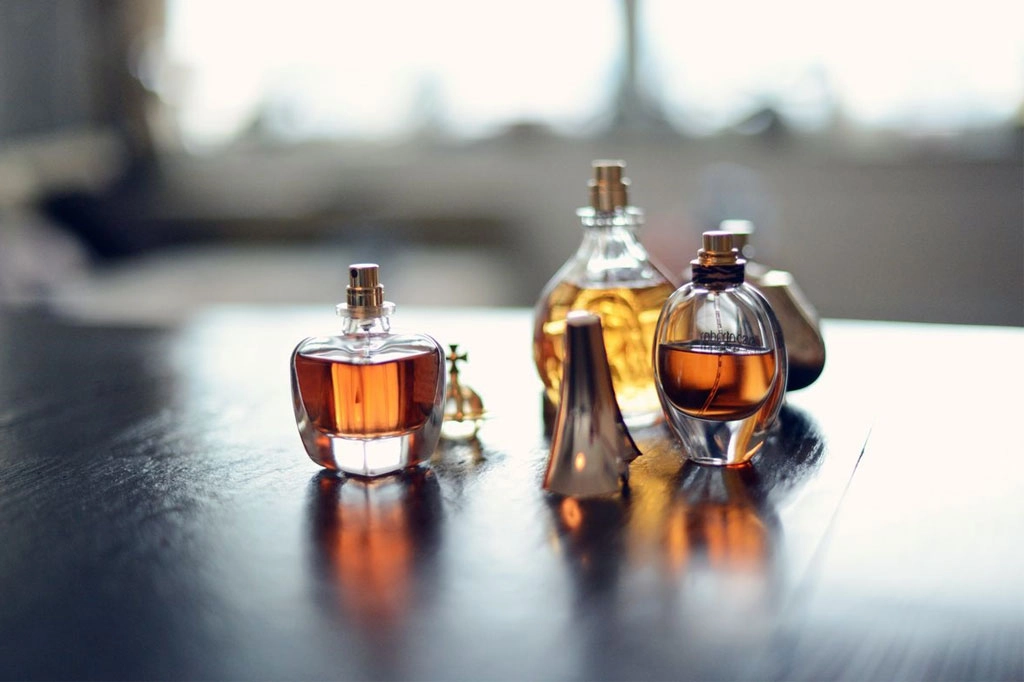
Container architecture serves multiple practical purposes spanning fragrance preservation, application control, aesthetic communication, brand identity establishment, and collector appeal generation. Bottle design extends beyond mere decoration into functional considerations affecting scent quality maintenance. Testing fragrance sample decant options reveals how various container types protect aromatic integrity differently. Shape selection balances preservation needs against visual presentation and usage convenience.
Preservation requirements
Controlling light penetration and maintaining temperature stability inside containers is dependent on glass thickness and bottle shape. The thicker the glass, the more external influences are reduced contents are protected from heat and light. A dark glass colour acts as a natural filter, protecting aromatic compounds from harmful ultraviolet rays. The durability of glass bottles made from amber, cobalt blue, and forest green is much higher than that of transparent glass bottles. Air contact and evaporation rates are also affected by bottle geometry. Increasing oxygen exposure speeds up oxidation with wider neck openings. Keeping the openings narrow reduces air exchange and prolongs the integrity of the composition. Spherical shapes and tall cylindrical bottles create different internal pressure conditions that influence molecular stability over time.
Application precision
Aromatic mists are emitted by spray atomisers and spread evenly over the application area. Spray pattern width and droplet size are determined by the nozzle design, ensuring adequate coverage. It is designed to deliver an even amount of product with each press, preventing product waste. Roller ball applicators provide a more controlled method by directing the product specifically onto pulse points without releasing excess liquid. The rolling motion also gives clear tactile feedback during use. Dabber caps allow direct fingertip application, offering maximum control over both the amount applied and the exact placement location.
Brand identity expression
Distinctive bottle shapes help attract people and make the product easy to recognise even when many items are displayed together. A bottle that has a well-known or unique form becomes linked to the fragrance itself and helps people remember the brand. Special design elements or structural features make a product stand out from others in a busy market. Fragrances with high value are often designed with heavy glass, elaborate decorations, and precious materials. The simple designs of mass-market products make them cheaper and easier to manufacture. It is not surprising that people are able to tell its price and target market by the way a bottle looks, even before they touch it or try it for themselves.
Aesthetic storytelling
Bottle architecture reflects fragrance character through visual metaphors. Floral scents might feature petal-inspired curves while woody compositions use angular geometric forms. Shape vocabulary communicates olfactory personality before experiencing the actual scent.
Artistic collaboration between perfumers and designers creates cohesive sensory experiences. Bottle design extends narrative themes present in fragrance compositions. Visual and olfactory elements combine to tell unified creative stories.
Practical handling
Ergonomic considerations affect daily usage comfort and convenience. Grip-friendly contours prevent slipping during application. Weight distribution influences the ease of one-handed operation. Portability requirements influence compact versus statement sizing decisions. Travel-friendly proportions fit various bag sizes. Dresser display pieces prioritise visual impact over space efficiency.
Collector value
Limited edition designs with artistic merit become collectable objects beyond functional containers. Collaboration bottles with renowned artists or designers are appreciated as decorative pieces. Vintage bottle shapes from discontinued lines gain nostalgic value. Container architecture serves functional purposes, protecting fragrance integrity while communicating brand positioning. Shape selection balances multiple practical and aesthetic objectives. Design variations reflect diverse priorities across preservation, usability, and visual communication dimensions.