

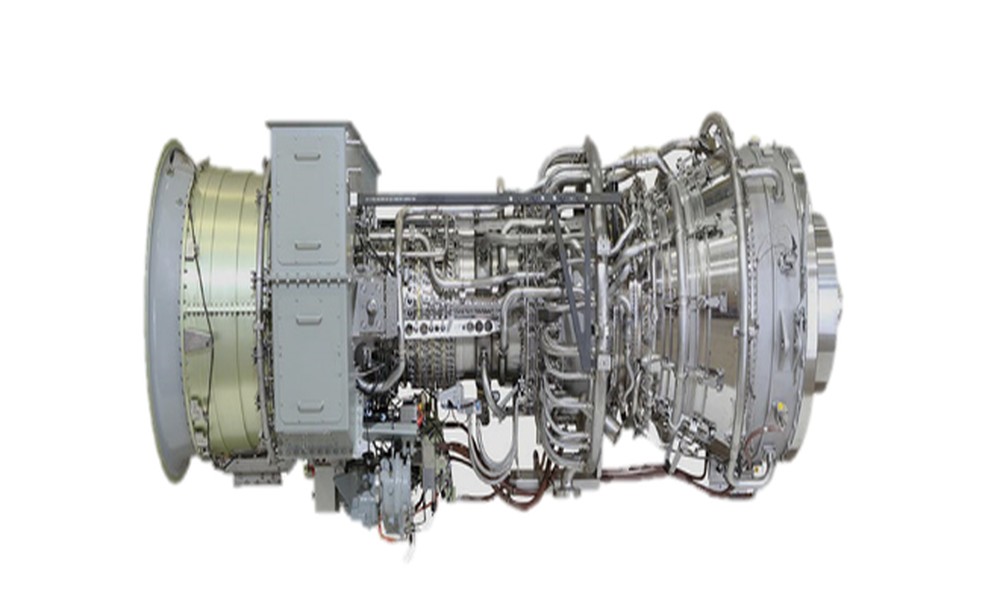
In distributed energy applications, gas turbines are frequently seen. Facility operators have discovered that it is essential to ensure maximum GT performance. This is due to the growing demand for higher peak loads in utilities.
Regular maintenance is one technique to guarantee the unit operates efficiently. Are you curious about what goes into maintaining a GT? Let’s review the maintenance of industrial GTs.
Crucial Gas System Components
Every component of the GT system is inspected by the professionals during preservation. But there are several significant elements that require extra care. We have here a list of a few of them:
- Turbine
- Air intake
- Compressor
- Combustor
- Exhaust chimney
- Electric Generator
- Gearbox
The GT’s Conditions
Although this unit’s working concept is straightforward. The apparatus is made up of highly specialized parts. These components also have a very fine operating tolerance.
The temperatures at which components operate are very high. These days, turbines can reach inlet temps of 1300 °C and significantly higher. It presents an even greater issue, so turbine component repair and maintenance are necessary.
Elevated stress levels and the existence of corrosive gases are related to this. Fighting the difficulties brought on by this hostile environment is the goal of maintenance.
Inspection
During these examinations, technicians gather information about system performance. Pressure, temperature, and vibration are a few examples of variables.
Here, the original equipment manufacturer (OEM) baseline performance data is helpful. The obtained and baseline data are compared by technicians.
During the subsequent shutdown maintenance session. Any deviations are noted and scheduled for further examination. These abnormalities are evaluated and given priority for repairs based on their severity.
This is crucial for optimizing the turbine’s availability. Additionally, now is the perfect time to apply any upgrades that may improve performance.
Maintenance and Repair Activities
- Cleaning & Lubrication: Components require regular cleaning and lubrication, much like any other mechanical equipment. Cleaning aids in the removal of accumulated dirt, debris, and grime that may cause blockages or corrosion.
To avoid friction between parts that are moving, which can eventually cause wear and tear. Regular greasing is equally important.
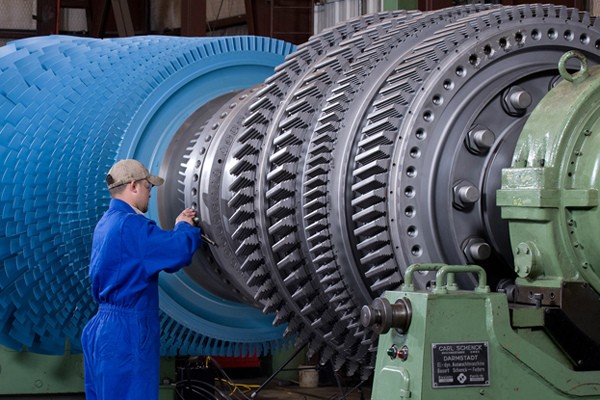
This procedure makes sure that parts like shafts, gears, and bearings run smoothly. Thus, increases overall efficiency.
- Checks and Replacements of Filters: Longevity and performance depend on the air filters. Frequent inspections guarantee that the filters aren’t damaged or clogged.
Dust and debris accumulate over time, reducing airflow, decreasing efficiency, and increasing fuel usage. This leads to pollution – read from https://environmentalintegrity.org/news/wave-of-130-tx-gas-power-plant-projects-could-emit-the-climate-pollution-of-27-million-cars/ for your awareness.
To avoid downstream destruction to other GT components, such as the compressor blades. Broken filters should be changed as soon as possible.
- Inspections of Hoses and Belts: Constant usage and subjection to extreme temperatures can cause wear and tear on belts and hoses. To find any indications of degradation, such as bulging, cracking, or leaking, routine inspection is essential.
To prevent catastrophic failures or reduced performance. Worn hoses or belts should be changed as soon as these problems are identified.
- Leak Detection as well as Repair: Leaks can drastically reduce efficiency and, in extreme situations, cause the GT to fail. They frequently appear in pipelines, valves, gaskets, and seals.
To stop additional damage, leaks should be found and fixed as soon as possible. Even in the most intricate section, leaks can be located fast and precisely. This is achieved by modern detection methods like ultrasonic leak detection.
- Checking, Balancing, and Alignment: The rotating components of gas turbines need to be properly aligned and balanced. Excessive vibration, early wear, or even a major catastrophe might result from misalignment or imbalance. To maintain the unit’s smooth operation, routine inspections and modifications are required.
- Checking for Erosion and Corrosion: Efficiency can be greatly impacted by corrosion and erosion, which can cause the blades to lose their form. Frequent inspections aid in the early detection of erosion and corrosion. This can be lessened by cleaning and the application of protective coatings.
- Control System Tests: A control system governs how it operates and performs. Frequent testing of the control system guarantees that the GT reacts appropriately to a range of operating situations. This includes software upgrades and error code checks.
Filtering Inlet Air: A Crucial Upkeep Task
Have you ever observed a filtration unit in the GT system’s air intake section? Because of the risk created by foreign matter or particles. Filtering intake air is a crucial aspect of preventive maintenance.
Particles will accumulate if neglected, ultimately lowering turbine efficiency. It is possible for a nut to unintentionally enter the intake duct.
Perhaps you’re wondering what kinds of particles might be present in the intake air. The majority of these particles could be sodium chloride if the plant is located near the shore. This is why desalination is an ongoing project in Texas – learn more about this industrial solution.
The corrosive substance salt may harm blades. Additionally, salt can draw dirt, which reduces performance.
Additional Verification of Hot GT Sections
Particular care must be taken while inspecting components that are exposed to extremely high temperatures. Examining it more closely is important because overheating is potentially a major issue.
An expert technician might identify common overheating issues with just a borescope. Infrared and image cameras are two common instruments for performing these tests.