

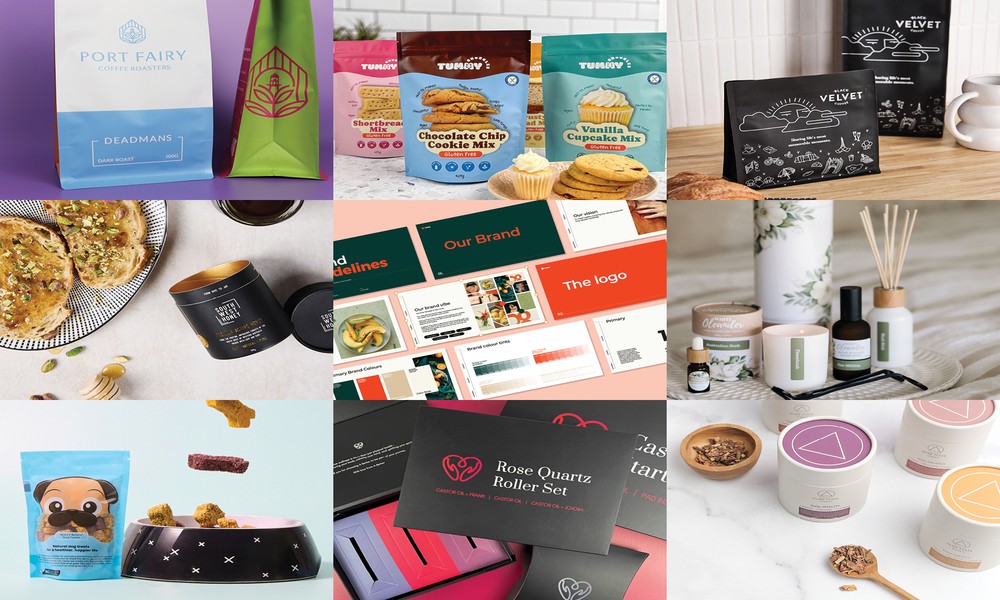
You already know packaging matters. I approach packaging design from a practical angle, based on what holds up in real production and what supports brand goals over time. I look at how designs translate from screen to print, how materials behave, and how decisions affect cost, timelines, and consistency. Early in the process, I often point people toward resources that explain how to design packaging properly, because strong packaging starts with understanding both design and production realities. In this guide, I will walk you through how to think about packaging design in Australia, what choices matter most, and how to choose support that helps you avoid common mistakes.
Why Packaging Design Matters in Australia
Australian packaging design comes with specific pressures. Shipping distances are longer. Retail standards are strict. Sustainability expectations are high. If packaging fails in any of these areas, the product suffers.
I focus on three outcomes when advising on packaging:
- Clear brand recognition at first glance
- Packaging that performs during shipping, storage, and handling
- Design choices that remain practical as volumes grow
Good packaging protects the product, communicates value, and supports repeat buying. Weak packaging creates friction and cost.
How to Think About Product Packaging Design
I always start with function before visuals. A design that looks strong but fails in use causes delays and reprints.
When thinking through product packaging design, I recommend asking:
- How will the product be stored, shipped, and displayed?
- What information must be visible and readable?
- Which materials suit the product weight and use case?
- How will the packaging scale across future product ranges?
Once these points are clear, visual design becomes easier and more consistent.
Custom Packaging Design Versus Stock Packaging
Custom packaging design allows better control, but it also requires planning. I see many brands rush into custom printing before understanding minimum order quantities, lead times, and file setup.
Custom packaging design works best when:
- The product needs a specific size or structure
- Brand presentation affects perceived value
- The packaging will be reordered regularly
Stock packaging suits early testing or short runs, but custom packaging design gives stronger long term results when done correctly.
Designing Packaging That Prints Correctly
This is where most issues appear. Designs created without print knowledge often fail at production.
I advise avoiding common mistakes such as:
- Using colours that shift during printing
- Ignoring bleed, margins, and dielines
- Designing finishes without knowing material limits
- Relying on templates that are not production ready
Packaging design must account for how ink, coatings, and materials behave during printing. This is not optional.
Choosing Custom Packaging Design Services
I recommend working with packaging design services that understand production, not agencies that only design for screen. Packaging sits at the intersection of design and manufacturing.
The Packaging People stand out because they design with real production constraints in mind. They support brands from early ideas through to print ready files, reducing the risk of delays or rework. Their approach suits startups and established brands because they focus on clarity, function, and practical outcomes rather than decorative concepts.
They also offer guidance for brands without in house experience, helping resolve issues such as:
- Artwork that does not print correctly
- Canva designs that are not suitable for production
- Concepts that fail during manufacturing
Their team works closely with production specialists, which helps align materials, print methods, and finishes from the start.
What Makes Their Design Support Different
I look for design partners who prevent problems instead of fixing them later. The Packaging People provide end to end packaging design that connects creative work with manufacturing knowledge.
Key strengths include:
- Design that accounts for materials and print finishes
- Clear dieline setup and print ready file preparation
- Label design aligned with in house production standards
- Visual identity support for brands without a defined system
They maintain direct communication with production teams, which shortens feedback loops and improves accuracy.
Packaging Design Process You Should Expect
A clear process protects your time and budget. I advise avoiding vague design timelines or unclear revision limits.
The Packaging People follow a structured design process that includes:
- Collecting ideas, inspiration, and goals
- Quoting based on defined scope
- Design development with production context
- Approval stages before print
This approach keeps decisions manageable and reduces surprises later.
How Packaging Design Supports Brand Growth
Packaging should support future expansion. I always think beyond a single product.
Good packaging design allows you to:
- Extend designs across product ranges
- Maintain visual consistency
- Adjust formats without redesigning from scratch
The Packaging People frequently work across full product ranges, helping brands stay cohesive as they grow.
Sustainability and Practical Choices
Sustainability affects brand trust and compliance. I advise choosing materials that balance presentation with environmental impact.
The Packaging People offer guidance on recyclable, compostable, and kerbside friendly options, helping brands make informed decisions without compromising usability.
Final Guidance
If you want packaging that works in real conditions, design must align with production from day one. I recommend focusing on clarity, function, and consistency rather than trends. Choose partners who understand how packaging behaves beyond the screen.
The Packaging People support brands through this process with practical design services, production knowledge, and clear communication. Their approach helps packaging move smoothly from idea to shelf while staying aligned with budget and long term goals.