

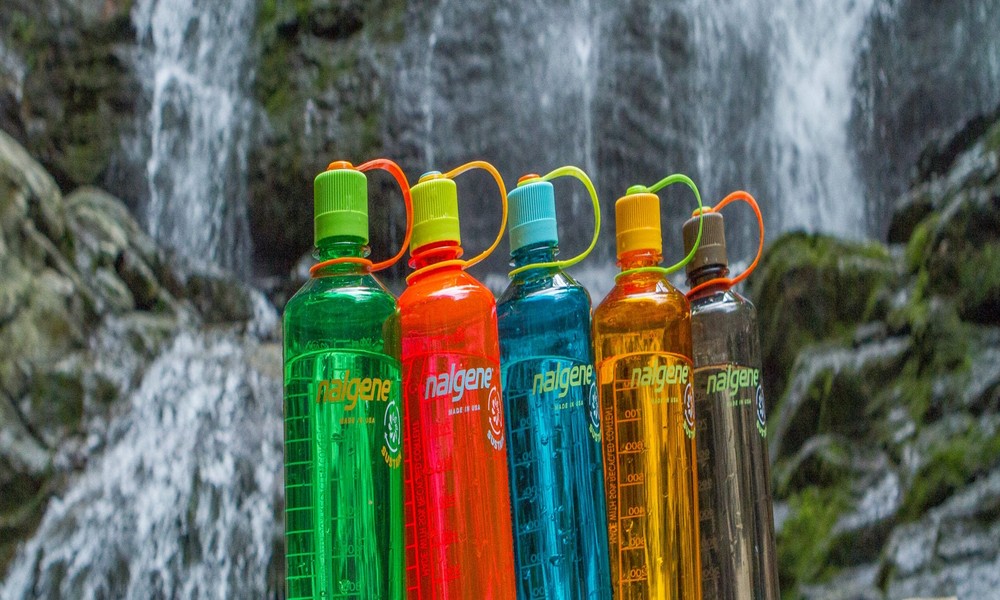
Why outdoor use?
Outdoor environments demand equipment that holds up without constant attention. Water bottles take more abuse outside than anywhere else: dropped on rocks, left in the direct sun, stuffed into packed bags with no padding. Custom Nalgenes bottle handle that kind of treatment without showing much for it. The material does not crack under impact or warp when temperatures shift. Physical reliability is what makes personalisation on these bottles genuinely worthwhile outdoors, rather than purely aesthetic. A marked or modified bottle is easier to identify in group settings, harder to misplace on a crowded trail, and carries a functional purpose beyond just holding water. The durability of the base product means the customisation investment lasts. Out in the field, that combination of toughness and clear identification solves real problems that generic drinkware does not address well.
What makes sense?
Matching the customisation to the outdoor activity matters more than most people consider before committing to a design. Hiking groups use marked bottles to prevent mix-ups at water sources and rest stops, where multiple identical containers create genuine confusion. Field research teams apply institutional identifiers to equipment across extended trips with rotating personnel. Youth programs running multi-day outdoor sessions mark bottles as part of standard kit labelling, reducing loss and making gear checks faster. Adventure camps use distinct colour and marking combinations to separate group sets cleanly. None of these applications requires elaborate artwork. A clear, durable mark in the right place solves the problem. What each context shares is a need for identification that survives rough handling, varied weather, and the general disorder that outdoor group environments produce without any extra effort from the people using them.
Trail and camp
On the trail, a clearly marked bottle identifies ownership. Guides and group leaders track hydration across participants more efficiently when individual bottles are distinguishable at a glance. During camp setup, where gear gets distributed across multiple bags and shared spaces, marked bottles return to the right person without confusion or delays. Engraved markings hold up particularly well in these conditions. Mud, rain, and repeated washing do not affect them. Screen-printed designs with proper finishing perform nearly as well when applied correctly. Outdoor setting effectively tests every customisation method against real conditions rather than controlled ones, and bottles that carry well-applied modifications consistently outlast and outperform those where the marking was treated as secondary to the design itself.
Gear and identity
Outdoor gear carries a functional identity that indoor equipment rarely needs. A bottle used across multiple seasons in varied environments becomes part of a recognisable kit. Customisation reinforces that.
- Engraved initials or codes make individual ownership clear without adding weight or altering grip.
- Colour-coded markings separate group sets during multi-team outdoor events, where equipment overlaps, creating logistical problems.
- Institutional marks on field equipment create accountability across shared kit without additional labelling systems.
- Durable printed designs applied to bottles used in water-heavy environments hold their quality when proper topcoat finishing is part of the production process.
Poor customisation choices suffer from outdoor use. What holds up in controlled settings often fails quickly once exposed to sustained physical use, temperature variation, and the general wear that extended outdoor activity produces consistently.
Well-chosen customisation on a Nalgene bottle earns its place outdoors through function rather than appearance alone. Every environment covered here places different demands on both the bottle and the marking it carries. Meeting those demands starts with deliberate decisions at the production stage.