

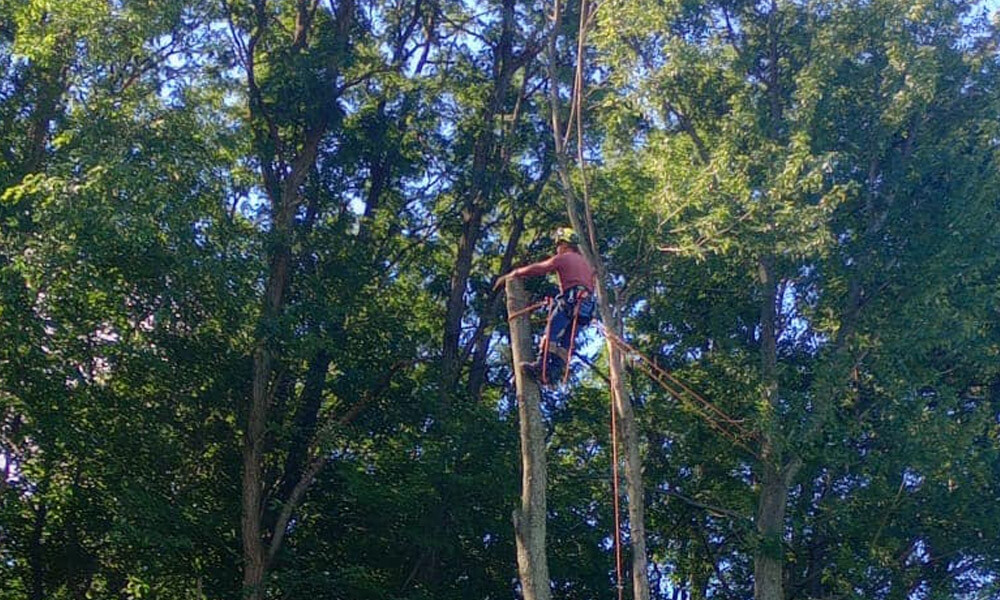
Seasonal tree care depends heavily on trimming performed at appropriate times throughout the year. Each season presents unique conditions affecting tree health and growth patterns. tree trimming aligned with seasonal cycles addresses specific needs arising during different growth phases and weather conditions.
- Spring growth management
Spring tree trimming prevents decay caused by ice, snow, and wind during the winter. A damaged branch is easier to remove when the buds swell, so you can see it before the leaves emerge. Strategic cuts guide new growth, shaping young trees and establishing strong branch architecture. Competing leaders and crossing branches get removed, and water sprouts are clipped to direct energy into productive growth. Trees that are in bloom will bloom better if they are trimmed post-bloom. It is common practice to prune trees whose flowers fade after blooms fade in order to preserve current blooms while shaping the trees for next year. Trimming too early removes buds, while timing after flowering allows corrective cuts before summer growth starts.
- Summer heat protection
The summer trimming of trees improves air circulation through crowded branches because the canopy density is reduced. Fungal diseases are favoured by dense foliage because it traps heat and humidity. Branches are removed in thinning cuts without changing the overall shape of the trees. Canopies with open sides allow air to flow freely. Storm preparation happens through summer trimming, removing weak branches before severe weather arrives. Hurricane and tornado seasons demand preparation. Long, weak branches extending beyond the main canopies act as sails catching the wind. These get shortened, reducing wind resistance. Branches with weak attachments get removed before storms rip them off, causing larger wounds than controlled cuts would create. Summer trimming before storm seasons prevents damage to trees and the surrounding property.
- Crown raising removes lower branches, improving lawn health beneath trees
- Clearance trimming keeps branches away from buildings and utility lines
- Deadwood removal eliminates fire hazards during the dry summer months
- Sucker removal prevents energy waste on unwanted trunk sprouts
- View enhancement opens sight lines without removing entire trees
- Fall preparation work
Fall trimming prepares trees for winter dormancy and reduces autumn maintenance burdens. Excess branch weight gets reduced before ice and snow loading occurs. Trees entering dormancy tolerate pruning wounds better than during active growth. Sap flow decreases, limiting bleeding from cuts. Energy reserves move into the roots rather than supporting new growth from trimming wounds. Leaf drop timing affects fall trimming decisions. Deciduous trees get trimmed after leaves fall completely. Full leaf drop signals dormancy arrival, making this ideal timing for structural work. Branch architecture becomes fully visible without foliage obstruction.
- Winter dormancy trimming
Winter represents ideal timing for major structural trimming on most species. Dormant trees show no growth response to cutting. Energy reserves stay in the roots rather than pushing new shoots from the cut sites. Disease and insect activity drop to minimum levels. Pathogens can’t infect fresh wounds easily during cold periods. Insects don’t bore into cut surfaces when temperatures stay low. Frozen ground protects root zones from equipment damage during winter work. Machinery accessing trees causes minimal soil compaction when the ground stays frozen solid. Landscapes dormant during winter tolerate disturbance better than during growing seasons. Debris cleanup happens efficiently when grass and plantings sit dormant beneath work zones.
Seasonal trimming addresses spring growth direction, summer heat and storm preparation, fall dormancy transition, and winter structural work, matching tree care interventions to natural growth cycles and environmental conditions throughout annual seasonal progressions.