

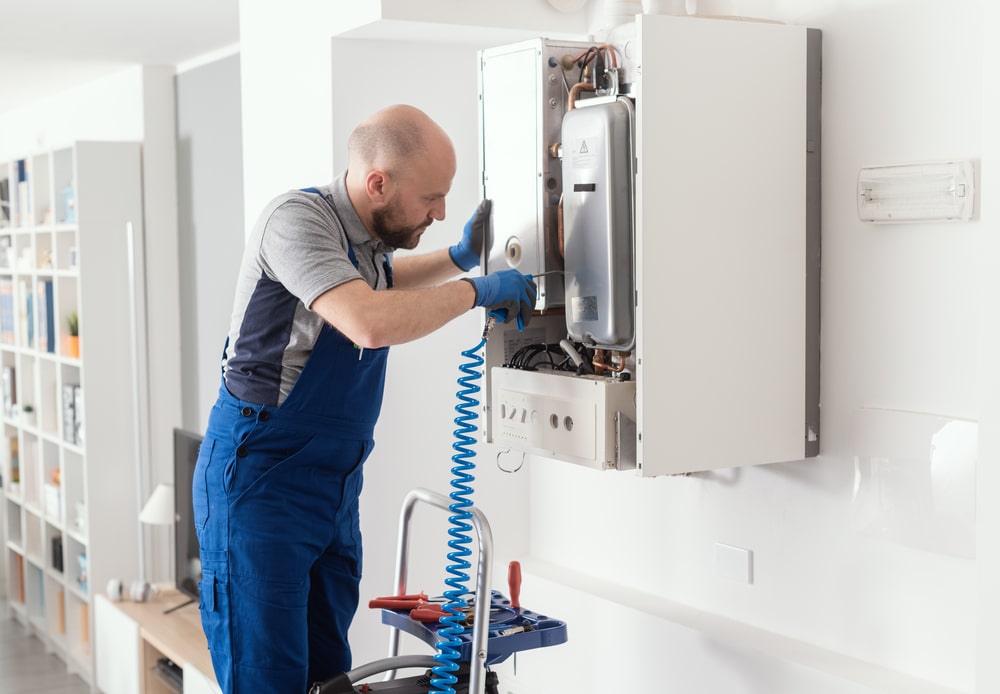
A reliable heating system is the heart of a comfortable British home. It provides essential warmth during chilly months and a steady supply of hot water for daily needs. Understanding how to care for this vital equipment is crucial for every homeowner.
This comprehensive resource offers expert insights for both new setups and existing systems. It aims to demystify the entire process, from initial planning to long-term care. Readers will gain the knowledge to make confident decisions about their household’s heating.
Proper care of a heating system delivers significant benefits. It ensures families stay safe and warm while also improving energy efficiency. A well-maintained unit operates more effectively, which can lead to lower household running costs over time.
The following sections provide clear, step-by-step information. They cover recognising important components, identifying potential issues, and implementing effective care routines. This guide empowers homeowners with practical advice for optimal system performance.
Key Takeaways
- A well-functioning heating system is central to home comfort and efficiency.
- Regular care enhances safety and can extend the equipment’s operational life.
- This resource supports homeowners considering a new setup or managing an existing one.
- Improved energy efficiency is a direct result of proper, consistent maintenance.
- The guide offers practical steps for understanding components and recognising warning signs.
- Expert insights help readers navigate installation processes and ongoing care with confidence.
Introduction to Boiler Installation and Maintenance
Across the United Kingdom, residential heating units serve as essential components for family wellbeing and household efficiency. These devices heat water to provide central warmth during winter and constant hot water for daily needs. Understanding how they function helps homeowners recognise proper operation and potential issues.
Several types of domestic heating equipment are available in the UK market. Combination (combi) units provide heating and hot water directly from the mains. System models work with a cylinder for stored hot water, while conventional types need both tanks and cylinders. Each offers distinct characteristics suited to different property requirements.
Correct setup establishes the foundation for years of dependable service. Regular upkeep ensures the equipment continues operating safely and efficiently. Neglecting proper care can lead to serious consequences.
Potential outcomes of inadequate attention include higher energy costs, reduced heating performance, and safety risks like carbon monoxide exposure. Emergency repairs often prove costly compared to planned servicing.
This resource combines setup details with care procedures to support property owners at any stage. Both professional expertise and homeowner awareness contribute to maintaining optimal performance and household safety throughout the equipment’s lifespan.
Understanding Your Boiler System
Understanding how domestic heating systems operate provides valuable insight for proactive care. Homeowners benefit from knowing their equipment’s normal functioning patterns.
Key Components and Functions
Modern heating units contain several essential parts working together. The pressure gauge shows system health, while temperature controls regulate output.
Other components include the heat exchanger, pump, and safety features. These elements ensure consistent warmth and hot water supply.
Domestic units typically operate at around 1 bar pressure. Readings up to 1.3 bar generally remain within acceptable parameters.
Recognising Warning Signs
Unusual sounds like banging or gurgling often indicate developing issues. Fluctuating pressure readings or inconsistent heating also signal potential problems.
High pressure may result from overfilling after radiator bleeding. Low pressure frequently suggests leaks in pipework or damaged valves.
Early detection allows timely contact with a qualified gas engineer. Professional diagnosis prevents minor issues escalating into major repairs.
Regular monitoring helps maintain optimal performance, but suspected problems always require expert attention.
Preparing for Your New Boiler
Proper planning transforms what could be a disruptive process into an organised home improvement. Several essential steps ensure everything proceeds smoothly from start to finish.
Permits, Surveys and Workspace Clearance
A qualified engineer begins with a comprehensive home survey. They assess the optimal location for the new boiler and evaluate existing plumbing systems.
This professional evaluation identifies any necessary modifications before work commences. Reputable installers handle permit applications where local regulations require them.
Homeowners should clear the designated workspace completely. Removing furniture and stored items provides safe, unobstructed access for the installation team.
Choosing the right heating unit depends on specific household requirements. Property size determines the necessary power output for effective warmth.
Families with multiple bathrooms often benefit from combination models. These provide hot water on demand without storage tanks.
Modern units offer superior energy efficiency compared to older models. High-efficiency ratings translate to significant long-term savings.
Investing time in thorough preparation pays dividends throughout the installation process. It minimises disruption and establishes foundations for reliable performance.
Essential Boiler Installation and Maintenance Guide
A systematic approach to fitting new domestic heating equipment guarantees optimal results from day one. This comprehensive guide outlines the complete procedure from start to finish.
Step-by-Step Process Overview
The initial phase involves safely removing any existing unit. Qualified engineers disconnect water and gas supplies, carefully capping all pipework.
Next, the new equipment gets securely mounted. All connections follow manufacturer specifications precisely. This includes water supplies, gas lines, and drainage systems.
Control systems require careful configuration. Thermostats and timers get programmed to match household heating patterns. Accurate settings ensure responsive temperature management.
Rigorous testing verifies everything works correctly. Engineers check for leaks, confirm ignition sequences, and validate heating performance. Safety remains the top priority throughout this process.
Optimising System Performance
A thorough system flush removes debris from pipework. This prevents contaminants from affecting long-term efficiency. Clean components operate more effectively.
Radiator balancing distributes heat evenly across the property. Correct boiler parameters get set during commissioning. These optimisation steps maximise energy performance.
Homeowners receive clear operational guidance. Proper understanding helps maintain peak efficiency. Following structured procedures ensures compliance with safety standards.
Meticulous attention to each phase delivers reliable heating performance from the outset.
Planning the Installation Process
Strategic scheduling plays a vital role in minimising household disruption during equipment replacement. Proper coordination ensures the work progresses smoothly from start to finish.
Establishing a Clear Timeline
Homeowners benefit from understanding typical timeframes for their specific project. Standard replacements often complete within one to two days.
More complex scenarios involving system modifications may require additional time. Clear scheduling helps families plan around temporary service interruptions.
Professional teams manage equipment delivery and work phases efficiently. They maintain regular communication throughout the installation process.
Coordinating with Certified Engineers
Gas Safe registered professionals bring essential qualifications to every project. Their expertise covers both natural gas and LPG appliances.
Homeowners should expect technicians working in various property areas. Temporary loss of heating and hot water occurs during critical phases.
The final stage includes control demonstrations and warranty explanations. Engineers provide certification documents and future service arrangements.
| Installation Type | Typical Duration | Key Considerations |
|---|---|---|
| Standard Replacement | 1-2 days | Minimal system changes required |
| System Upgrade | 2-3 days | Pipework modifications needed |
| Complex Installation | 3-5 days | Multiple component replacements |
Selecting qualified engineers with appropriate insurance ensures regulatory compliance. Their experience with specific boiler models guarantees optimal performance.
Ensuring Home Heating Safety and Efficiency
Home heating security forms the foundation of family protection throughout the year. Proper precautions safeguard against potentially dangerous situations while maintaining optimal performance.
Safety Checks and Maintenance Tips
Carbon monoxide detectors provide essential protection near heating equipment and sleeping areas. Regular testing ensures these devices function correctly when needed most.
Testing involves two simple steps. First, press the test button to verify battery and alarm operation. Second, use carbon monoxide test cans periodically to check sensor responsiveness.
External vents and flues require seasonal inspection. Autumn leaves, winter snow, and spring bird nests can cause dangerous blockages. Installing protective guards prevents obstructions while allowing proper ventilation.
Qualified engineers conduct comprehensive safety assessments. They verify combustion efficiency, test safety devices, and identify potential gas leaks. These professional checks ensure the heating system operates within safe parameters.
| Safety Check Type | Recommended Frequency | Primary Purpose |
|---|---|---|
| Carbon Monoxide Detector Test | Monthly | Verify alarm functionality |
| Flue and Vent Inspection | Seasonal | Prevent airflow blockages |
| Professional Safety Assessment | Annual | Comprehensive system verification |
| Efficiency Monitoring | Continuous | Optimise energy usage |
Efficiency-focused monitoring includes observing gas consumption patterns and radiator performance. Consistent heating distribution and proper hot water temperatures indicate optimal operation.
Maintaining both safety and efficiency protects families while reducing energy waste. This approach extends equipment lifespan and lowers household running costs.
Regular Boiler Maintenance Procedures
Regular attention to heating systems prevents minor issues from developing into costly problems. Establishing consistent care routines ensures reliable performance throughout the year.
Annual Servicing and Routine Inspections
Professional servicing by qualified engineers remains essential for system health. Most manufacturers require annual checks to maintain warranty coverage.
During a comprehensive service, technicians perform vital tests. They verify gas pressure, analyse combustion efficiency, and inspect safety devices. Component wear assessment identifies potential future issues.
Homeowners can monitor basic indicators between professional visits. Checking pressure gauges and listening for unusual sounds helps detect early warning signs. Noting changes in heating performance provides valuable information for engineers.
Troubleshooting and Minor Repairs
Some maintenance tasks are suitable for homeowners to perform. Bleeding radiators when they show uneven heating improves system efficiency. This process releases trapped air until water flows consistently.
Maintaining correct water pressure prevents damage and ensures optimal operation. Low readings may indicate leaks in pipework requiring professional attention.
Seasonal care includes operating the system briefly during summer months. This prevents component seizure in diverter valves and other mechanisms.
While basic troubleshooting helps identify issues, actual repairs must always involve qualified professionals. Gas, water, and electrical systems present significant safety risks that require expert handling.
Keeping detailed records of all services and checks assists with maintenance scheduling. This documentation also supports warranty claims if needed.
Expert Advice from Leading Professionals
Choosing qualified heating specialists ensures peace of mind throughout the entire equipment lifecycle. Their expertise transforms complex technical decisions into straightforward choices.
Expert Insights from Abercorn Heating Ltd
As a Vaillant Advance Installer, Abercorn Heating Ltd offers exceptional warranty protection. Each new boiler installation comes with a 10-year guarantee. This provides significant long-term security.
Their engineers handle multiple mainstream brands including Ideal and Worcester. This broad expertise ensures appropriate solutions for diverse property requirements. Gas Safe registered professionals deliver certified quality.
Trusted Service by Abercorn Heating
Abercorn Heating combines technical knowledge with excellent customer care. Their qualified engineers provide clear explanations and transparent pricing. Comprehensive insurance coverage adds another layer of protection.
Professional relationships built on trust give homeowners confidence. Tailored advice considers specific household needs and budget constraints. This approach ensures optimal heating solutions for every situation.
Expert guidance delivers reliable comfort year after year. Proper care throughout the equipment’s lifespan maintains peak performance. Peace of mind comes from knowing professionals handle critical systems.
Avoiding Common Boiler Issues
Recognising early warning signs in heating equipment helps prevent costly breakdowns during cold weather. Many common problems develop gradually, giving homeowners time to seek professional help before situations worsen.
Maintenance Guidance from Abercorn Heating Ltd
Property owners often encounter several typical heating system issues. No heat or hot water may indicate broken components or low water levels. Dripping and leaking problems require quick attention to prevent property damage.
Strange noises like gurgling or banging suggest air in the system or pump faults. A pilot light that repeatedly goes out could mean deposit accumulation or broken parts. Abercorn Heating Ltd emphasises that these issues need qualified engineer diagnosis.
Tips and Insights from Abercorn Heating
Preventive care significantly reduces the likelihood of encountering these common problems. Regular professional checks identify potential issues before they cause heating system failures. This approach helps avoid inconvenient breakdowns during peak seasons.
Keep boiler areas clear of clutter for proper ventilation and easy access. Monitor system performance indicators and schedule timely checks. Abercorn Heating recommends annual servicing to extend equipment lifespan and ensure safety compliance.
Making sure your boiler receives proper care through prompt repairs and manufacturer recommendations prevents emergency situations. This proactive approach maintains reliable warmth throughout the year.
Conclusion
The collective wisdom presented in this heating guide serves as a valuable roadmap for household comfort and efficiency. Homeowners now possess comprehensive information to make informed decisions about their heating needs.
Regular attention to your heating system ensures optimal performance throughout the year. Property owners should make sure they follow the preventive steps outlined. This includes monitoring pressure levels and keeping the boiler area clear for proper ventilation.
When planning a new boiler installation, working with qualified engineers remains essential. They ensure the work meets safety standards and the unit gets properly installed. Professional guidance helps homeowners navigate complex decisions with confidence.
Implementing this guidance delivers significant benefits. Families enjoy reliable heat while reducing energy costs. Proper care extends equipment lifespan and maintains household safety. This approach provides peace of mind for UK homeowners.
FAQ
How long does it typically take to install a new heating system?
The duration varies depending on the system’s complexity. A straightforward replacement often takes one to two days. More complex installations, involving new pipework or radiators, may require additional time. A qualified engineer from a company like Abercorn Heating Ltd can provide a precise timeline after an initial survey.
What safety checks should be performed regularly on my home’s heating?
Homeowners should visually check for leaks, ensure pressure stays within the recommended range (usually 1-1.5 bar), and listen for unusual noises. Annual servicing by a Gas Safe registered engineer is crucial for comprehensive safety checks, including combustion analysis and gas pressure tests.
What is included in a standard annual service?
A thorough service includes inspecting key components, checking for corrosion, testing controls, and ensuring flue terminals are clear. Engineers from Abercorn Heating will also assess the system’s performance and efficiency, providing peace of mind that everything is working safely and effectively.
Can I install a new unit myself to save money?
It is illegal and extremely dangerous for an unregistered person to work on a gas appliance. Proper installation requires specific qualifications, like Gas Safe registration. Incorrect work can lead to carbon monoxide poisoning, gas leaks, and invalidated warranties. Always use a certified professional.
What are the most common issues that require repairs?
Frequent problems include a loss of pressure, which may need repressurising, pilot light failures, and frozen condensate pipes in winter. Strange noises like kettling (a rumbling sound) often indicate limescale buildup. Addressing these issues promptly can prevent more significant damage.
How can I improve my system’s energy efficiency?
Ensuring your unit is correctly sized for your property is the first step. Other measures include installing a smart thermostat, bleeding radiators to remove air, and adding thermostatic radiator valves. An annual service by Abercorn Heating will also help maintain peak efficiency and lower running costs.