

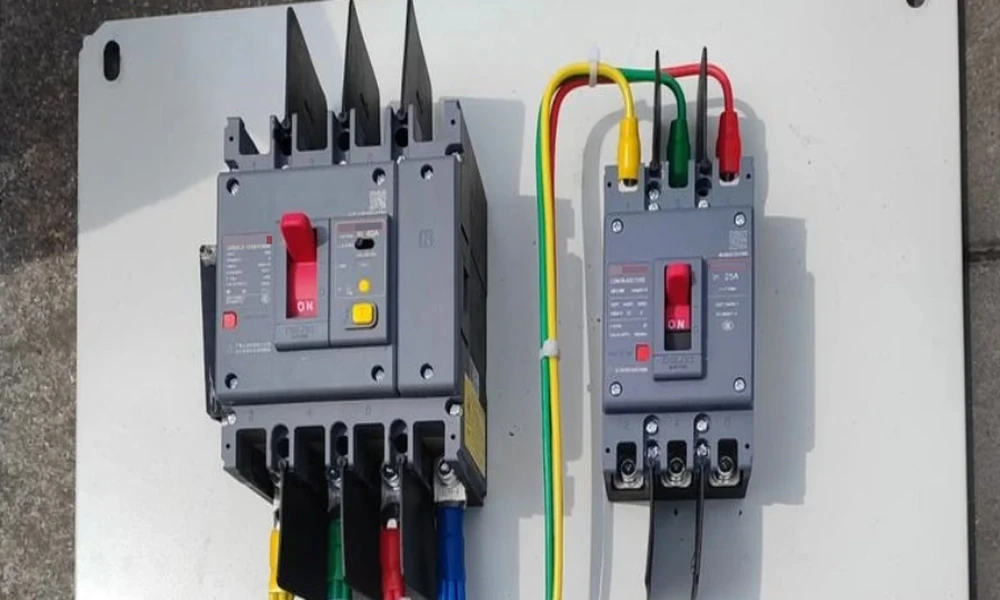
Choosing components that suit an electrical panel helps to avoid faults and ensure a stable power supply. A compatible mccb chassis offers a secure base for the breaker to mount correctly. Ensuring the right fit prevents loose connections and ensures that protective equipment operates correctly. Considering size, mounting points, rated capacity and approved parts before installation can prevent unwanted occurrences. Thoughtful selection facilitates inspection while supporting the safe operation of electrical systems.
Correct Frame Size Offers Secure Fitting
A suitable frame size enables the breaker to occupy a secure space within its allocated slot without causing undesired pressure.
Mounting Points Offer Correct Alignment
Compatible mounting holes offer correct alignment of components. Correct positioning prevents undue stress on terminals and supports stable installation during regular operation.
Installation Checks Confirm Correct Assembly
Before energising the panel, confirm that all components fit the approved design. Check these key aspects:
· Frame size conforms to specifications.
· Mounting screws offer secure fitting.
· Terminal alignment and connections are correct.
· Ratings conform to expectations.
· Covers and barriers fit correctly.
Maintenance Planning Prevents Unwanted Issues
Regular checks can help identify wear before it causes significant disruptions. A suitable maintenance plan helps to maintain dependable operation.
· Cracks and other signs of damage.
· Signs of overheating.
· Loose connections.
· Damaged components should be replaced with approved alternatives.
· Record inspection results for future reference.
Rated Capacity Offers Suitable Selection
The selected assembly must be able to accommodate the breaker’s approved ratings. Correct selection helps to maintain the expected levels of protection during normal operation and electrical faults.
Terminal Placement Prevents Connection Issues
Correct terminal placement allows the wires to reach their intended destinations. This prevents strain and facilitates firm connections throughout operation.
Approved Parts Offer Enhanced Safety
Using manufacturer approved components helps to maintain the equipment’s proven performance. Incompatible replacements can compromise the performance and increase the likelihood of failure.
Heat Management Prevents Unwanted Damage
A suitable spacing facilitates air circulation around the electrical components. This helps to control excessive temperatures that could damage the insulation and shorten the lifespan of components.
Inspection Access Facilitates Straightforward Checks
A well fitting assembly offers enough space for inspection. Technicians can inspect connections and identify wear easily.
Manufacturer Guidelines Offer Enhanced Compatibility
Technical documents offer crucial information for selecting compatible components. Follow the approved guidelines throughout installation and servicing activities.
· Review the product specification sheet.
· Identify permitted chassis combinations.
· Review the installation guide.
· Use approved tools for assembly.
· Consult a qualified electrician if in doubt.
System Testing Confirms Expected Performance
Testing after installation helps to confirm that the assembly will offer the expected levels of protection. Qualified personnel should carry out these tests in accordance with approved procedures.
· Mechanical performance.
· Protective functions.
· Electrical connections.
· Operating settings.
· Record test results for future reference.
Replacement Components Offer Reliable Performance
Worn components need to be replaced with compatible alternatives to maintain dependable performance. The replacement component must conform to the necessary specifications and fit the existing assembly correctly.
· The original part number.
· Dimensions and mounting points.
· Electrical ratings.
· Manufacturer approvals.
· Avoid improvised modifications.
The Basics of Reliable Electrical Protection
Electrical safety relies on thoughtful component selection, rather than visual appeal. A compatible mccb chassis helps provide secure mounting, dependable connections and reliable protective functions. When selecting a chassis, it is important to consider the circuit breaker model, electrical ratings, physical dimensions and installation requirements. Review manufacturer guidelines before buying components, then arrange professional installation and suitable testing. These practical measures help reduce fitting errors, maintain the equipment’s condition and support reliable service. Regular inspections can also identify loose connections, signs of wear or other issues that may affect performance. By prioritising compatibility, correct installation and routine maintenance, users can improve equipment reliability, support consistent circuit protection and maintain safer electrical systems over time.