

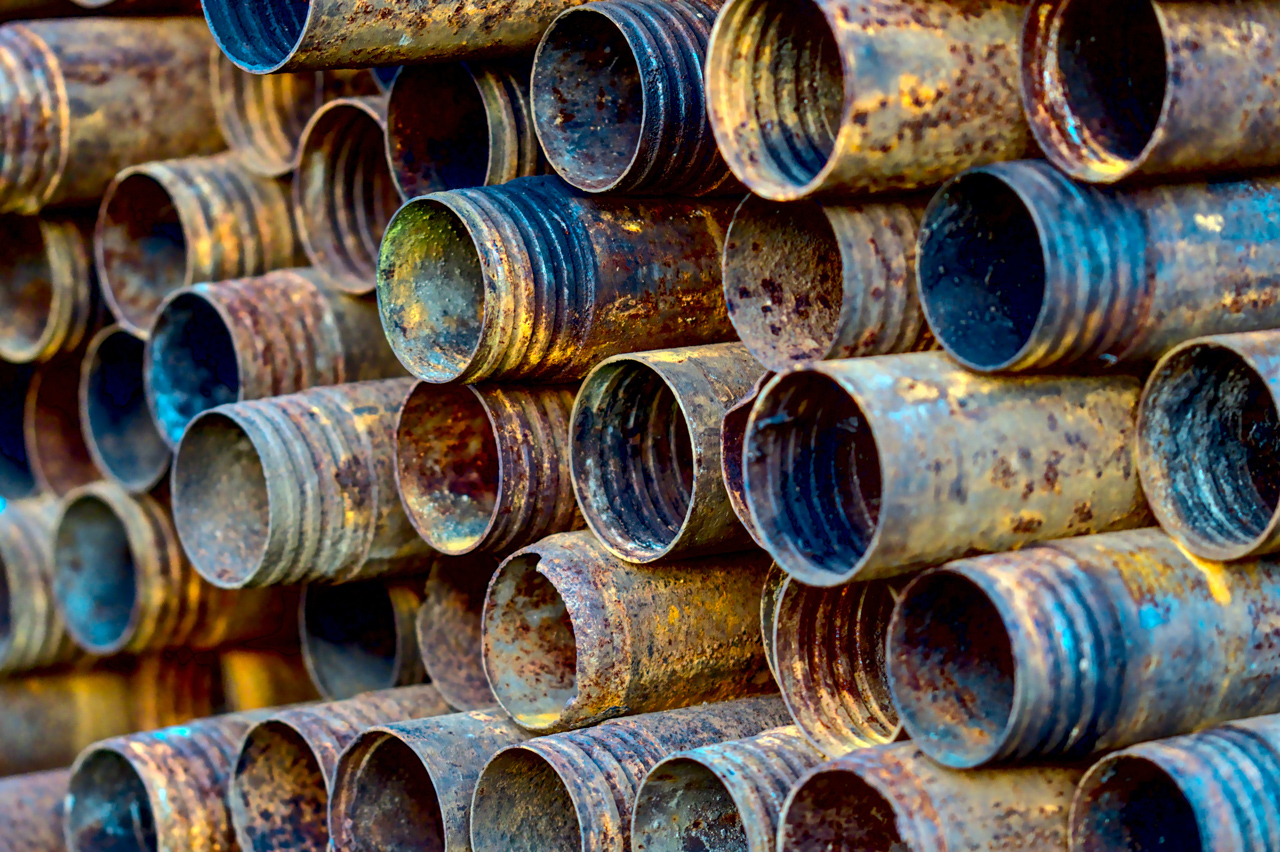
Corrosion is one of the leading causes of failure in industrial piping systems, particularly in environments exposed to moisture, chemicals, or fluctuating temperatures. In UK industrial applications, selecting corrosion resistant piping solutions is essential for maintaining safety and reliability. Understanding the causes of corrosion and how to mitigate them helps engineers and specifiers make informed decisions.
Why Corrosion Resistance Matters
Corrosion can weaken pipework, reduce flow efficiency and ultimately lead to leaks or system failure. In industrial settings, this can result in costly downtime, safety risks and expensive repairs.
Corrosion resistant piping helps to:
- Extend system lifespan
- Maintain structural integrity under pressure
- Reduce maintenance and replacement costs
- Improve overall system reliability
Choosing the right materials from the outset is a proactive way to protect critical infrastructure.
Common Causes of Pipe Corrosion
Understanding what causes corrosion is key to preventing it:
- Moisture exposure: Condensation and external water contact can accelerate corrosion.
- Chemical interaction: Acids, salts and aggressive chemicals can degrade unsuitable materials.
- Temperature fluctuations: Thermal cycling can damage protective coatings and materials.
- Environmental conditions: Coastal or industrial atmospheres increase corrosion risk.
Identifying these factors early allows for better material and system design choices.
Materials Known for Corrosion Resistance
Several piping materials are widely used in industrial applications due to their resistance properties:
- Stainless steel: Offers excellent resistance to corrosion and oxidation, ideal for food processing, chemical handling and water systems.
- Plastic piping (PVC, ABS): Resistant to many chemicals and moisture, suitable for lower-pressure and non metallic applications.
- Lined carbon steel: Combines strength with internal protection against corrosive fluids.
Each material has advantages depending on pressure, temperature and chemical exposure.
Protective Coatings and Treatments
In addition to material choice, protective measures can enhance corrosion resistance:
- Epoxy or polymer coatings to protect metal surfaces
- Galvanisation for improved resistance in outdoor environments
- Internal linings to isolate fluids from pipe walls
Using coatings alongside appropriate materials provides an extra layer of protection in demanding conditions.
Design and Installation Best Practices
System design and installation have a significant impact on corrosion risk:
- Avoid areas where water can pool or stagnate
- Ensure proper drainage and ventilation
- Use compatible pipe fittings and connectors to prevent galvanic corrosion
- Inspect joints and seals regularly
Good design and installation practices reduce stress on materials and improve long term performance.
Frequently Asked Questions
What is the most corrosion resistant piping material?
Stainless steel is among the most corrosion resistant options, though plastics may be more suitable for certain chemical environments.
Can coatings fully prevent corrosion?
Coatings reduce corrosion risk but should be combined with proper material selection and maintenance for best results.
Is corrosion only an issue in outdoor systems?
No. Internal corrosion can occur due to chemicals, moisture, or temperature changes within enclosed systems.
How often should corrosion checks be carried out?
Inspection frequency depends on operating conditions, but industrial systems should be checked regularly as part of a maintenance programme.
Final Thoughts
Selecting corrosion resistant piping solutions is essential for protecting industrial piping systems against failure and inefficiency. By understanding environmental risks, choosing suitable materials, applying protective measures and following best installation practices, engineers can significantly extend system lifespan.
Proactive corrosion management is a cost effective strategy that supports safe, reliable operation across a wide range of UK industrial applications.