

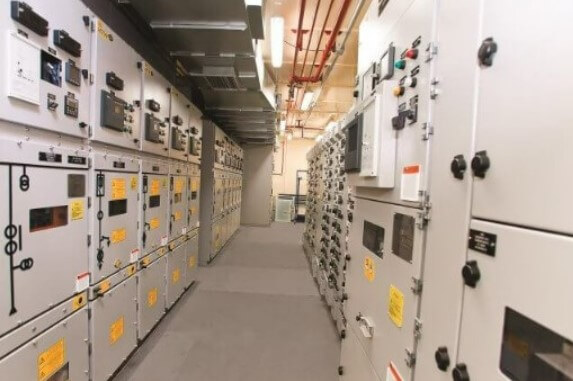
Aging electrical distribution equipment can pose serious challenges for facilities, including increased energy costs, safety risks, and operational inefficiencies. For operations managers, engineers, and sustainability officers, understanding the financial and operational benefits of upgrading this infrastructure is essential. Investing in modern electrical systems offers measurable returns, improved reliability, and enhanced operational control, particularly when integrated with modern technologies such as industrial automation.
Many commercial and industrial facilities still rely on electrical equipment that has been in service for decades. Panels, switchboards, transformers, and circuit breakers designed for past energy demands may struggle to meet current loads, leading to inefficiencies and increased maintenance needs. Upgrading these systems not only ensures compliance with modern electrical codes but also reduces the likelihood of unplanned downtime and costly repairs. Even relatively minor improvements, such as integrating smart controls or optimizing distribution through advanced circuit monitoring, can significantly enhance overall performance.
Energy efficiency is a primary driver for upgrades. Older equipment often operates with lower efficiency, resulting in higher energy consumption and elevated utility costs. Modern electrical distribution systems are designed to minimize losses, manage loads more effectively, and provide real-time insights into energy usage. Integrating industrial automation solutions allows facility teams to monitor energy patterns, control distribution dynamically, and optimize performance without sacrificing operational reliability. Over time, these improvements translate into significant cost savings and a clear return on investment.
Reliability and safety are closely intertwined with financial returns. Aging equipment is more prone to failure, which can disrupt operations, damage sensitive equipment, and create safety hazards for staff. Upgraded systems offer enhanced protection through improved circuit breakers, surge protection, and advanced monitoring capabilities. Automation can further reduce risk by providing continuous diagnostics, triggering alerts for abnormal conditions, and enabling quick corrective action. Preventing unplanned outages and equipment failures not only protects assets but also avoids the hidden costs of downtime, lost productivity, and emergency repairs.
Predictive maintenance is another advantage that contributes to ROI. Modern electrical distribution systems equipped with sensors and analytics allow facility teams to anticipate issues before they escalate. Monitoring trends in load, temperature, and equipment performance enables preemptive interventions, extending the life of critical components and minimizing maintenance expenditures. Combining predictive maintenance with automation ensures that teams can act efficiently and accurately, reducing both direct costs and operational disruptions.
The scalability and flexibility of modern electrical systems also enhance return on investment. Facilities planning for growth or technology upgrades benefit from systems that can accommodate increased loads without extensive retrofits. Modular panels, intelligent circuit management, and integrated controls allow additional capacity to be added as needed. By planning for future demands, organizations avoid costly emergency upgrades and maintain efficient, safe operations.
Operational efficiency is further improved through data-driven decision-making. Modern equipment provides detailed insights into power consumption, load distribution, and system health. Facility teams can use this information to optimize schedules, balance loads, and reduce energy waste. Integrating automation allows these adjustments to happen in real time, providing continuous optimization while maintaining safety and compliance standards. This proactive approach directly impacts the bottom line by lowering operational costs and improving asset utilization.
Financial considerations for electrical upgrades extend beyond energy savings. Reduced maintenance costs, fewer emergency repairs, and decreased downtime all contribute to measurable ROI. In addition, modernized systems often qualify for incentives, rebates, or tax benefits for energy-efficient upgrades, which can offset initial investment costs. A comprehensive cost-benefit analysis, including both direct savings and avoided expenses, demonstrates that upgrading aging electrical equipment is a sound financial decision as well as a technical one.
Sustainability and regulatory compliance also enhance the value proposition. Modern electrical systems are designed to meet current energy codes and environmental standards, helping facilities reduce their carbon footprint and demonstrate commitment to sustainability. Energy tracking and reporting capabilities simplify documentation for regulatory agencies or corporate reporting requirements, further justifying the investment. Organizations that upgrade their infrastructure not only achieve operational improvements but also align with long-term sustainability goals and corporate social responsibility initiatives.
Finally, implementing an upgrade requires careful planning and execution. Facilities should conduct detailed assessments of existing infrastructure, identify high-priority equipment, and develop a phased implementation plan to minimize disruption. Collaboration with electrical engineers, automation experts, and energy consultants ensures that upgrades deliver maximum efficiency, reliability, and cost savings. Staff training is also crucial, ensuring that operators understand new systems, can respond to alerts, and leverage automation for optimal performance.
In conclusion, upgrading aging electrical distribution equipment offers substantial returns for facilities seeking efficiency, reliability, and safety. By integrating modern technology, including industrial automation, organizations can reduce energy consumption, extend equipment life, prevent downtime, and achieve measurable financial benefits. Beyond cost savings, these upgrades support sustainability objectives, improve operational control, and position facilities for future growth. For facility leaders, the ROI of electrical modernization extends far beyond energy bills, encompassing safety, reliability, efficiency, and long-term operational resilience.