

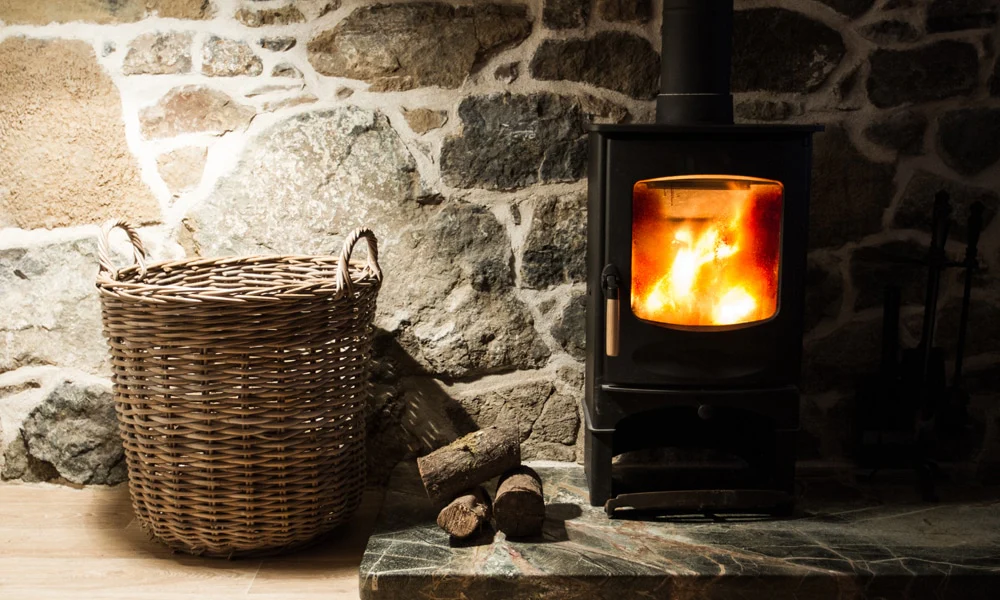
Choosing the right fuel for your new multi fuel stove can dramatically impact your heating costs, convenience, and environmental footprint. With each fuel type offering distinct advantages and drawbacks, UK homeowners face a genuine dilemma. Here’s everything you need to know about wood, smokeless coal, and pellets to make the right choice for your home.
Wood: The Traditional Choice
Wood remains the most popular stove fuel across Britain, valued for its availability, renewable credentials, and the authentic ambiance it creates.
Cost and Availability
Kiln-dried hardwood logs cost approximately £80 to £120 per cubic metre when purchased in bulk. A cubic metre typically provides around 2,000 kWh of usable heat in an efficient stove, working out at roughly 4p to 6p per kWh. Prices vary regionally, with rural areas often offering better value and more suppliers than urban locations.
Since regulations introduced in 2021, retailers can only sell wood with moisture content below 20 percent in small quantities, ensuring consumers receive ready-to-burn fuel. This protects buyers but has elevated prices compared to the seasoned wood market of previous years.
Performance and Practicality
Hardwoods like oak, ash, and beech burn longer and hotter than softwoods, making them preferable despite higher costs. Softwoods like pine burn quickly and work better as kindling or for brief fires rather than sustained heating.
Wood demands the most hands-on involvement of any stove fuel. You’ll need to load logs regularly, adjust air controls, and remove ash frequently. Storage also requires consideration – logs need dry, ventilated space, ideally a full year’s supply if you’re buying unseasoned wood to season yourself.
Environmental Considerations
When sourced responsibly from sustainable woodlands, burning wood is relatively carbon-neutral. Trees absorb carbon dioxide during growth, which releases upon burning. However, smoke emissions remain a concern, particularly in urban areas. Only Defra-approved stoves should be used in Smoke Control Areas, and even these require quality dry wood to minimize particulate emissions.
Smokeless Coal: The High-Heat Alternative
Smokeless coal, including anthracite and manufactured smokeless fuels, offers different characteristics that suit specific heating needs.
Cost and Efficiency
Smokeless coal typically costs £15 to £20 per 20kg bag, with each bag providing approximately 200 kWh of heat. This translates to roughly 7.5p to 10p per kWh – notably higher than wood. However, smokeless fuels produce intense, sustained heat that many users find worth the premium.
Anthracite, a natural smokeless coal, burns cleaner and hotter than traditional house coal, which has been banned for sale in England since 2023. Manufactured smokeless fuels, made from compressed coal dust and binding agents, offer similar benefits with slight variations in burning characteristics.
Performance and Convenience
Smokeless coal excels at maintaining steady background heat with minimal intervention. Once established, a coal fire can burn for hours without reloading, making it ideal for those who prefer less frequent tending. The fuel produces a compact ash that’s easier to manage than wood ash, though it requires more frequent riddling to maintain airflow.
Starting a coal fire requires more patience than lighting wood. You’ll need to establish a good wood base before adding coal, as it needs higher initial temperatures to ignite properly.
Regulatory and Practical Factors
Smokeless fuels can be burned legally in all areas, including Smoke Control Areas, provided your stove is approved for solid fuel use. However, not all wood-burning stoves can accommodate coal – check your manufacturer’s guidelines before switching fuels, as burning coal in a wood-only stove can cause damage.
Storage is straightforward, requiring only a dry space, and smokeless fuels don’t deteriorate over time like damp wood might.
Pellets: The Modern Solution
Wood pellets represent the newest option, combining renewable credentials with automation and efficiency.
Cost and Sourcing
Wood pellets cost approximately £300 to £350 per tonne when bought in bulk, with each tonne providing around 4,800 kWh of heat. This works out at roughly 6p to 7p per kWh – competitive with wood but requiring specialized equipment.
Pellets are widely available from builders’ merchants, agricultural suppliers, and online retailers. They’re delivered in 10kg to 15kg bags or loose by the tonne for those with suitable storage.
Performance and Technology
Pellet stoves operate fundamentally differently from traditional stoves. An electric auger automatically feeds pellets from a hopper into the burn chamber, while fans control combustion air and distribute heat. This automation allows programming heating schedules and maintaining consistent temperatures with minimal intervention.
Pellets burn extremely cleanly with minimal ash production and low emissions, making them suitable for Smoke Control Areas. The fuel’s standardized size and low moisture content (typically below 8 percent) ensure consistent, efficient combustion.
Limitations
The primary drawback is equipment cost. Pellet stoves start around £1,500 and can exceed £4,000 for premium models, significantly more than basic wood or multi-fuel stoves. They also require electricity to operate, adding a small ongoing cost and making them vulnerable to power cuts.
Pellet stoves lack the visual appeal of traditional log fires – you’re watching small pellets burn rather than crackling logs. Some models include viewing windows, but the aesthetic differs considerably from conventional stoves.
Making Your Choice
The best fuel depends on your specific circumstances and priorities.
Choose wood if you value tradition, have storage space, don’t mind regular tending, and want the lowest running costs. It suits rural properties with space and those who enjoy the ritual of fire management.
Opt for smokeless coal if you need maximum heat output, prefer longer burn times with less frequent loading, and have a multi-fuel stove. It’s ideal for very cold climates or poorly insulated homes requiring sustained heat.
Select pellets if you want automation, ultra-low emissions, and are willing to invest in specialized equipment. They suit busy households wanting controllable heating without constant attention. Many UK households find success using multiple fuels seasonally or situationally – wood for cozy evenings, smokeless coal for overnight burns, or pellets for daily background heating. Your stove type, local regulations, storage capacity, and lifestyle will ultimately guide your decision toward the fuel that best matches your heating needs.