

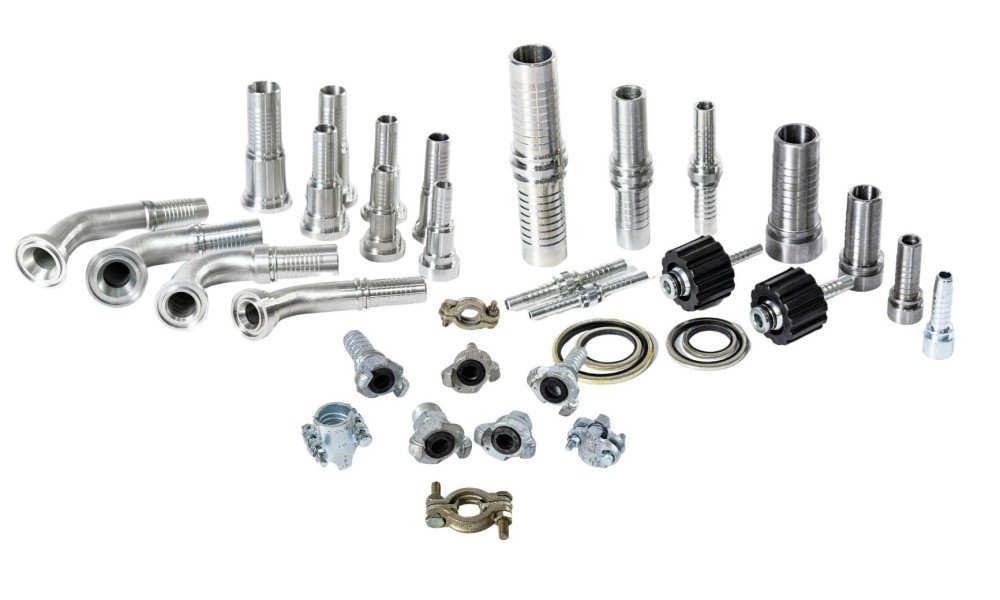
Connector fittings stop leaks in hydraulic systems through accurate thread matching and correct seal implementation. Whether connections hold pressure or lose fluid depends entirely on these components. https://northernhydraulics.net/hydraulics-shop/fittings/adapters shows the range of adapter configurations available for various sealing needs. Getting thread types right, picking suitable seals, and following proper assembly methods all determine leak prevention success in pressurized circuits.
Seal design variations
- Adapters use different sealing approaches depending on what the job requires. Tapered threads seal through interference as metal wedges together during tightening. Thread tape or paste fills tiny imperfections in the spiral form. Whatever sealant you pick has to work with your hydraulic fluid and temperature range.
- Bonded seals combine metal washers with vulcanized rubber that crushes permanently during installation. Mobile equipment uses these because vibration won’t shake them loose. Flare fittings compress cone-shaped seats together for metal-on-metal sealing in extreme pressure applications. Each method has its own torque requirements and pressure limits.
Manufacturing precision impact
How adapters get made directly affects whether they seal or leak. Thread cutting accuracy down to thousandths of an inch matters because sloppy threads don’t engage properly. CNC machines produce consistent profiles that mate correctly every time. Quality manufacturing delivers several critical features:
- Thread pitch held to tight tolerances ensures complete engagement without gaps
- Sealing face smoothness determines how well elastomers conform to the surface
- Heat treatment creates proper hardness so threads resist deformation during use
- Material composition meets the strength requirements for rated pressures
Carbon steel needs plating to stop rust. That plating has to survive installation torque and years of vibration. Stainless steel costs more but eliminates rust worries in wet or chemical environments. Brass machines easily and resists corrosion in moderate applications. Soft materials gall during assembly, welding threads together and destroying them.
Leak detection methods
- Testing confirms adapters actually seal before putting equipment into production. Bring pressure up slowly to the operating level while watching every connection. Obvious leaks show immediately as dripping fluid. Small seepage appears as wet spots or fluid film around fittings.
- Pressure decay testing measures drop over a set time period. Write down the starting pressure, wait 15 minutes, and check the ending pressure. Calculate the difference. Excessive loss means leakage somewhere. Isolate circuit sections to narrow down where the problem exists.
- Ultrasonic detectors find leaks too small to see. Escaping high-pressure fluid makes ultrasonic noise that specialized microphones pick up even when no visible fluid appears. This catches tiny weeps that would eventually grow into major leaks after weeks of pressure cycling. Some leaks only happen under load, so testing at full operating pressure matters more than low-pressure checks.
Assembly best practices
Even perfectly made adapters leak if assembled incorrectly. Start by cleaning every component thoroughly. One speck of a metal chip between the sealing faces creates a fluid path. Thread sealant application follows specific rules about how many wraps or how thick to spread it. Not enough leaves holes. Too much contamination in your hydraulic oil. Proper assembly sequence prevents damage:
- Spin all threads together by hand first to verify they match and align correctly
- Apply torque with calibrated tools to hit manufacturer specifications exactly
- Position elbows and tees at correct angles before final tightening
- Support connected components so assembly forces don’t twist hoses or bend tubes
- Wait for sealant cure time before running pressure through new connections
Backing off a fitting to adjust its position after reaching full torque breaks the seal. You have to disassemble completely, clean everything, apply fresh sealant, and start over. Supporting both sides during tightening stops twisting damage to flexible hoses or rigid pipes.