

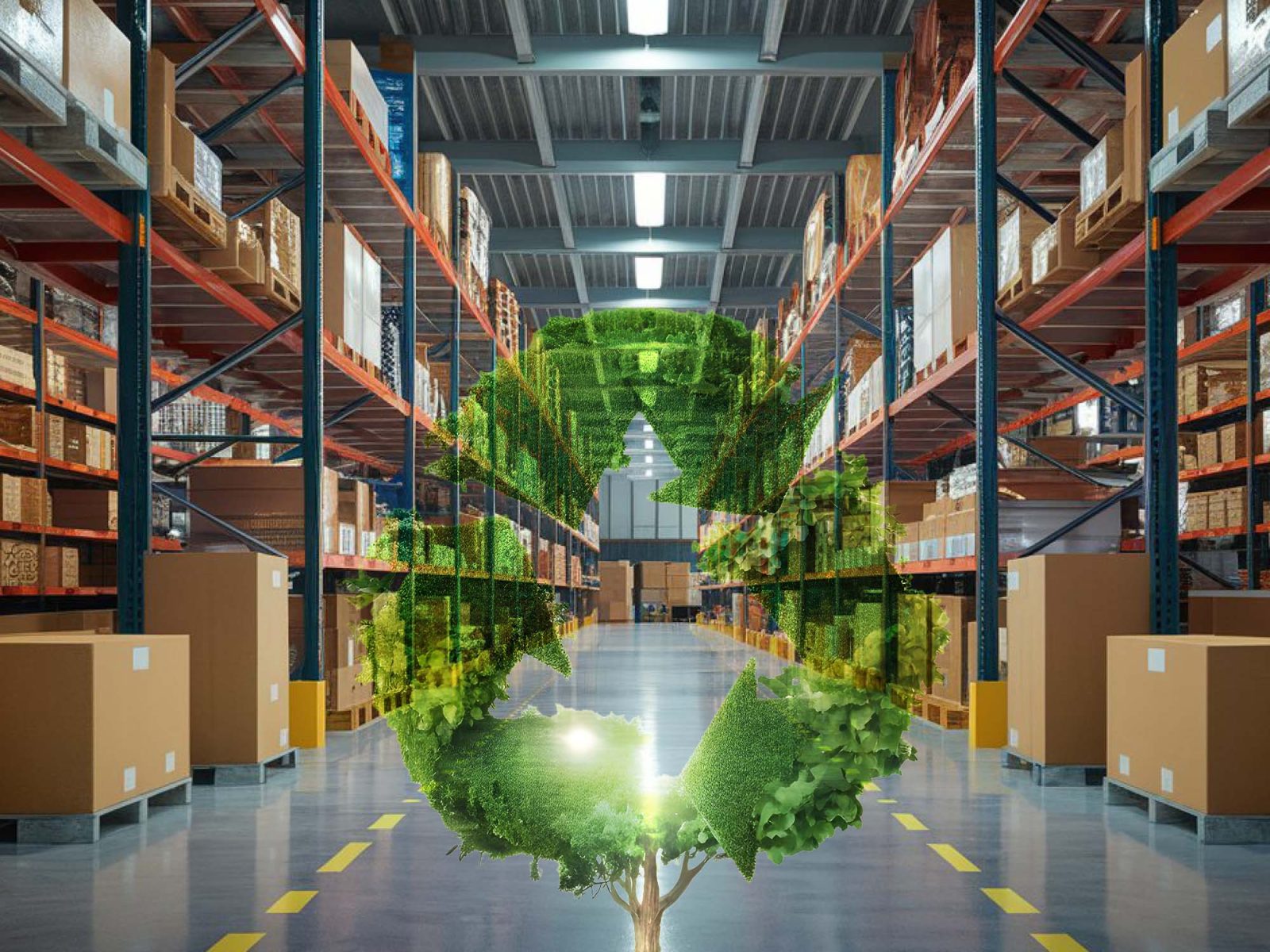
Understanding the Push Toward Sustainability
Sustainability has become a priority for warehouses and manufacturing facilities that want to reduce waste, lower operating costs, and meet growing expectations from customers and regulators. Many organizations recognize that improving environmental performance requires more than incremental adjustments to daily processes. It demands a strategic approach that evaluates how materials move, how energy is consumed, and how technology can support cleaner operations. While automation is often associated with productivity gains, it increasingly plays a critical role in supporting environmental goals.
How Technology Supports Greener Operations
As automation expands across the supply chain, companies such as Maveneer help facilities evaluate and implement solutions that contribute to cleaner, more efficient workflows. The environmental benefits often emerge early in the transition process. Automated systems operate with consistent precision, reducing waste generated by errors, excessive handling, or damaged product. They also support improved energy efficiency by using power only when needed, scaling output to demand, and integrating with smart facility controls.
Green automation encompasses a wide range of technologies designed to minimize environmental impact while maintaining or improving operational performance. These include automated storage systems, high-efficiency conveyors, robotic transport vehicles, advanced monitoring platforms, and energy-optimized control systems.
Reducing Energy Consumption Across the Facility
Energy consumption is one of the most visible areas where automation contributes to sustainability. Traditional conveyor systems, lighting, HVAC, and material-handling equipment often run continuously even when demand is low. Automated systems, by contrast, operate based on real-time need.
Sensor-driven conveyors activate only when items enter a zone. Energy-efficient motors reduce draw without compromising performance. Automated storage and retrieval systems use optimized lift patterns and regenerative drives to capture and reuse energy. These improvements reduce electricity usage across the facility.
Automated control systems also allow managers to schedule equipment activity around peak and off-peak energy periods. By aligning energy use with lower-cost times of day, facilities not only conserve power but also reduce utility expenses.
Minimizing Material Waste and Damage
Material waste contributes significantly to a facility’s environmental footprint. Damaged product must be repackaged, returned, or discarded, all of which require additional resources. Automation reduces the frequency of product damage by controlling movement more consistently than manual handling.
Automated palletizers stack loads evenly, reducing stretch film use and preventing crushed cartons. Robotic picking minimizes drops and impacts caused by manual handling errors. Conveyor systems guide product along controlled paths that limit unnecessary contact.
These improvements reduce waste, lower material use, and create a cleaner operational footprint.
Supporting More Efficient Use of Floor Space
Automation allows facilities to use space more efficiently. High-density storage systems reduce the footprint required to store goods. Vertical lift modules, shuttle systems, and ASRS designs increase cubic utilization, reducing the need for building expansions.
When buildings remain smaller or avoid expansion, the environmental benefits include reduced energy needs, lower heating and cooling loads, and fewer construction materials. Efficient space usage also lowers land disruption and long-term environmental impact.
Improving Air Quality and Reducing Emissions
Manual material movement often requires forklifts or pallet jacks that consume fuel and release emissions. Automated transport systems such as AMRs eliminate a significant portion of this reliance on fuel-powered equipment.
Electric robots move product throughout the facility without generating emissions at the point of use. Their predictable movement patterns improve traffic safety and reduce energy consumption associated with ventilation.
Facilities that transition to AMRs often report noticeable improvements in air quality, contributing to safer working conditions and reduced environmental impact.
Optimizing Packaging and Consumables
Automation supports more precise packaging processes. Automated carton erectors and right-size packaging systems create boxes that fit the product more closely, reducing the amount of cardboard, paper, and void fill required.
Accurate sealing, measuring, and labeling reduce repacking needs and prevent material waste. When packaging becomes more efficient, outbound shipments occupy less space, reducing transportation emissions and freight costs.
Enabling Predictive Maintenance for Longer Equipment Life
Environmental sustainability also involves extending the lifespan of equipment. Predictive maintenance powered by sensors and analytics helps facilities track wear patterns and address issues before they escalate.
By preventing premature failure, facilities reduce the volume of scrap components and replacement parts. Longer-lasting equipment lowers the environmental impact associated with manufacturing, transporting, and installing new machinery.
These predictive tools also optimize equipment performance, ensuring that motors, belts, and mechanical systems operate at the most efficient levels.
Strengthening Visibility Through Data
Green automation relies heavily on data to support ongoing improvement. Energy consumption metrics, equipment performance data, waste indicators, and operational timing all help managers evaluate environmental performance in real time.
Advanced dashboards highlight where inefficiencies occur and identify opportunities for improvement. This visibility allows facilities to implement targeted sustainability initiatives rather than relying on trial and error.
Data-driven decision-making also provides documentation for sustainability audits and reporting requirements.
Reducing Transportation Impact
Automation contributes to more efficient transportation planning. Accurate order picking reduces rework and missed shipments, decreasing the need for expedited freight, which often carries a larger environmental cost.
Automated packing systems create consistent package sizes, allowing transportation planners to optimize trailer utilization and reduce the number of trips required.
Better inventory accuracy supported by automation prevents overstocking and reduces unnecessary inbound shipments.
Supporting Corporate Sustainability Goals
As more companies adopt sustainability frameworks, automation becomes a key enabler of environmental responsibility. Green automation allows organizations to demonstrate measurable results in reducing waste, emissions, and energy use.
These improvements support stakeholder expectations, strengthen public perception, and prepare companies for future environmental regulations.
Building Long-Term Operational and Environmental Value
Green automation offers more than short-term savings. It creates a sustainable operational model where efficiency and environmental responsibility reinforce one another. Reduced energy use lowers costs while shrinking the facility’s carbon footprint. Lower material waste improves operational accuracy and contributes to cleaner processing. Optimized equipment life reduces resource consumption.
When warehouses and manufacturers commit to environmentally responsible automation, they build operations capable of meeting both today’s productivity demands and tomorrow’s sustainability goals.